
Adult Stem Cells
Adult (Somatic) stem cells are undifferentiated cells located within specialized tissues throughout the body. These unspecialized cells can either self-replicate (renewing their own population) or differentiate into specialized cell types to replace damaged or aging cells.
Adult stem cells provide an ethical, multipotent alternative to embryonic cells (pluripotent). Sourced from adult tissue or umbilical cords, they enable regenerative healing without the destruction of embryos.
The adult stem cells are non-embryonic, and notable examples of their differentiation pathway (or their primary lineages) include:
- Hematopoietic stem cells (HSCs)
- Mesenchymal stem cells (MSCs)
- Neural stem cells
- Epithelial stem cells
- Skin stem cells
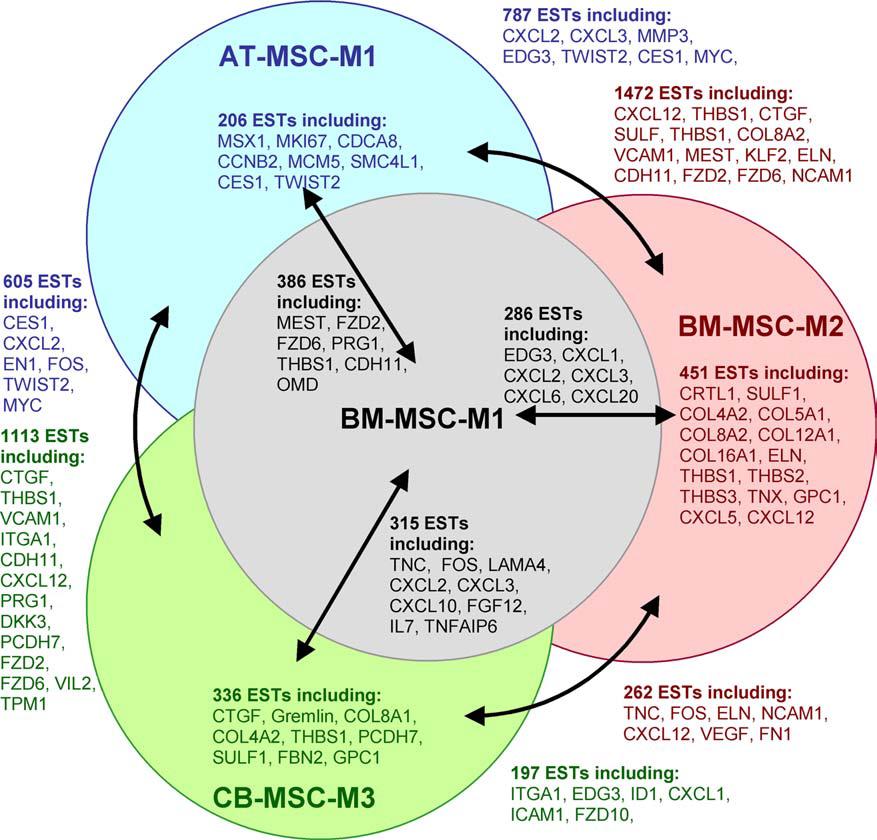
A key area of research involves the comparative characteristics of mesenchymal stem cells sourced from human bone marrow, adipose (fat) tissue, and umbilical cord blood.
| Stem Cell Type | Primary Source | Potential Application |
| Mesenchymal (MSC) | Fat, Cord Blood | Arthritis, Autoimmune, Anti-aging |
| Hematopoietic | Bone Marrow | Blood disorders, Immune reset |
| Neural | Brain/Spinal fluid | MS, Parkinson’s, TBI |
| Skin/Epithelial | Skin, Gut | Burn victims, Crohn’s, Aesthetics |
Why the Focus on Mexico?
In the U.S. and Canada, the FDA and Health Canada have strict “minimal manipulation” rules that prevent clinics from expanding (growing) cells in a lab. This is why patients travel to Mexico for these cells,
- Cell Expansion: Mexican regulations (under COFEPRIS) allow labs to take a small sample of adult stem cells and grow them into hundreds of millions of cells.
- Higher Dosages: Because of expansion, a patient in Mexico might receive 100 million cells via IV, whereas a U.S. clinic might only be able to provide the few thousand found in a direct bone marrow draw.
